Movement Is The Key To Unlocking Every Child's Ability To Learn With Confidence, Enjoyment And Success
If you are parent, a school or a professional working with children and adults with Dyslexia, Dyspraxia, ADHD, Behavioural/Emotional issues and various other developmental challenges, this website and information is for you.
At Child Development Malta, I specialise in helping children, of all age ranges, who are struggling or failing in Education. Through developmental movements, and an understanding of the importance of retained primitive reflexes much past 5 years old that can hold a child back from being able to learn, I help children build stronger neurological foundations necessary for learning, focus, behaviour, confidence and emotional wellbeing in a fun and successful way.
Every child has the ability to succeed in the classroom when their brain, body and sensory system are all properly developed and working together efficiently. Learning becomes easier, enjoyable and successful for the children who have been struggling unnecessarily, and where teachers are having to put in extra time and effort.
If a child is pushed too hard with lots of practice of reading, writing, expected to focus and stay attentive for long periods when their system is not 'wired' sufficiently to process the information, you will only create more stress and frustration to an undeveloped sensory system. Develop the sensory system FIRST, then learning will take place easily, and in less time. This is so important to understand with the children who are struggling in education.
Whether you are a parent, teacher, educational psychologist or healthcare professional, I provide developmental support for children that focuses on strengthening the neurological foundations necessary for successful learning and reaching developmental milestones.

Parents, Carers And Childcare Centres
I provide one-to-one sessions and small group programmes for children experiencing learning, developmental, behavioural or emotional challenges.
My child development approach focuses on helping children build stronger neurological foundations through movement-based activities that support brain development and sensory integration.
Many parents seek developmental support for children when they notice challenges with reading, writing, concentration, coordination, confidence, emotional regulation or school performance. Through targeted developmental strategies, children can develop skills that support both education and everyday life.
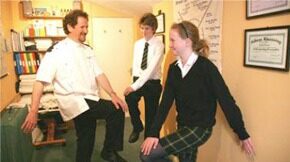
Schools, Teachers And Learning Support Educators
Schools are increasingly looking for practical, cost-effective ways to support children with child learning difficulties within the classroom.
I teach simple developmental movement programmes that can be integrated into the school day and performed in the classroom or gym environment. These activities are engaging for children, easy for staff to implement and designed to support learning, concentration, behaviour and emotional regulation.
By addressing underlying developmental factors, teachers can often spend less time managing barriers to learning and more time helping children achieve their potential.
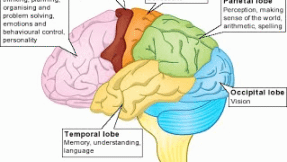
Educational Psychologists
When you have assessed a child for Dyslexia, Dyspraxia, ADHD, attention difficulties, behavioural challenges or emotional concerns, I can provide additional learning support by helping develop the neurological foundations that underpin learning and development.
Retained primitive reflexes can affect how the brain and sensory system develop during the early years. When these reflexes remain active beyond the expected developmental stages, they may influence a child's ability to focus, process information, coordinate movement and learn effectively.
My specialist approach complements existing assessments by supporting the development of stronger neural connections through movement-based strategies.
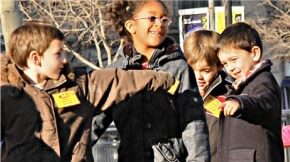
Understanding Early Years Development
The early years play a crucial role in child development. The experiences, movement patterns and sensory stimulation children receive during this period help create the foundations for future learning.
Primitive reflexes are an important part of this developmental process. When reflex integration does not occur as expected, children may experience challenges with learning, behaviour, coordination, attention and emotional regulation.
I offer presentations, workshops and training sessions that explain:
- How primitive reflexes influence development
- Why child learning difficulties can occur
- The importance of movement during the early years
- How sensory and neurological development affects learning
- Practical strategies that support healthy development
Understanding these foundations can help parents, teachers and professionals make more informed decisions about supporting children.

Courses For Anyone Working With Children
I provide specialist training courses for professionals, schools, therapists, teachers and parents who want to understand more about learning, development and primitive reflex integration.
The courses combine practical techniques with easy-to-understand theory covering:
- Brain development
- Sensory development
- Primitive reflexes
- Movement and learning
- Classroom strategies
- Child development principles
Participants leave with practical tools that can be implemented immediately within educational, therapeutic and home environments.
Ongoing support is available following training.
Child Development Specialist In Malta
For over 20 years, I have worked with children, families and professionals to improve susccessful learning outcomes through developmental movement approaches. Movement is essential to brain and sensory development in every one of us.
My specialist area focuses on helping create, and strengthen, the neural connections throughout the brain so children have the resources to be able to learn, and supports successful outcomes in education.
The first year after birth is particularly important for neurological development, with significant foundations continuing to develop throughout the first five years of life. When developmental stages are missed or interrupted, learning can become more difficult than it needs to be, and this is what many teachers are noticing in most classrooms today.
The good news is that neural development can be improved at any age, and for any ability.
Through carefully selected developmental movements and learning strategies, it is possible to support stronger sensory processing, improved coordination, greater focus and increased confidence.
Learn To Move, Move To Learn
Movement is one of the most effective ways to support brain development and learning.
Every movement a child makes provides valuable sensory information to the brain. Over time, this helps strengthen the neurological pathways required for reading, writing, attention, organisation, comprehension, emotional regulation and academic achievement.
When these foundations are strong, children often find learning more manageable and enjoyable.
Movement truly is the key to unlocking the ability to learn.

How Developmental Support For Children Can Help
Developmental movement programmes may help children experiencing:
Dyslexia
Dyspraxia
ADHD and ADD
Reading difficulties
Writing difficulties
Speech and language delays
Developmental delays
Coordination challenges
Sensory processing difficulties
Emotional regulation challenges
Behavioural difficulties
Attention and concentration difficulties
Low confidence and self-esteem
Delayed developmental milestones
Learning challenges in school
Difficulties with organisation and focus
Motor skill development challenges
Early years developmental concerns
'I can't do it' becomes 'I can'
Wanting to understand the Mind / body connection
Psychological reversal issues
Negative self talk / beliefs
Challenges in Early Year's Nurseries
Phobias / OCD / Anxiety
Stress / Trauma
Brain injury / damage
Rehabilitation after head/brain trauma, making new connections
Improving Co-ordination for Sports People
Every child is unique, which is why assessment and support are tailored to individual needs.
Support For Schools Across Malta
I offer my services to schools throughout Malta, providing practical learning support strategies that can be used daily within the classroom.
Short movement sessions can easily be incorporated into the school day and may support:
- Focus and concentration
- Classroom participation
- Reading and writing skills
- Confidence
- Emotional regulation
- Attention
- Comprehension
- Coordination
- Learning readiness
When children are given the developmental foundations they need, they are often better equipped to engage with learning opportunities throughout their education.

Professionals I Work With
Schools
Early Years Teachers
Educational Psychologists
Learning Support Educators (LSEs)
Teachers
Paediatric Occupational Therapists
Speech And Language Therapists
Child Development Professionals
Mental Health Professionals
Childcare Providers
Frequently Asked Questions
Why is movement so important during the early years?
Movement plays a vital role in brain development and sensory development. Through movement, children build the neural connections required for learning, communication, coordination, emotional regulation and everyday functioning.
Can development be supported at any age?
Yes. While the early years are particularly important, the brain remains capable of learning and adapting throughout life. Developmental movement programmes can support learning and development at different stages.
How long does the process take?
Every child is different. The length of support depends on individual developmental needs, goals and the level of reflex integration required. Usually between 6 – 12 months, but a bit longer for a few children with more severe challenges.
What courses do you offer?
I provide a range of courses covering primitive reflexes, movement and learning, sensory development, school readiness and child development strategies for parents, teachers and professionals.
Start With a Conversation
If you would like to learn more about child development, learning support or developmental support for children in Malta, I would be happy to discuss your child's needs or answer any questions you may have.
Whether you are a parent, teacher, school or professional, the first step is a conversation
Daytime: + 356 7931 4508
Evening: +356 7931 4508
Complete the enquiry form and I will get back to you as soon as possible.