Early Years Development, Movement And Learning In Malta Learn to Move, Move to Learn
The foundations for successful learning begin long before a child enters the classroom. Movement and learning development are closely connected throughout the early years. As children move, explore and interact with their environment, they develop the neurological foundations that support learning, attention, behaviour, communication and emotional wellbeing. At Child Development Malta, I help parents, schools and professionals understand the vital relationship between brain development and learning, child sensory development and the role developmental movements for children play in creating strong foundations for lifelong success. Understanding these foundations can provide valuable insight into why some children find learning easier than others and what can be done to offer effective support.
Why Do Learning Challenges Occur?
- Reading
- Writing
- Concentration
- Memory
- Organisation
- Behaviour
- Emotional regulation
- Coordination
- Communication
- Confidence
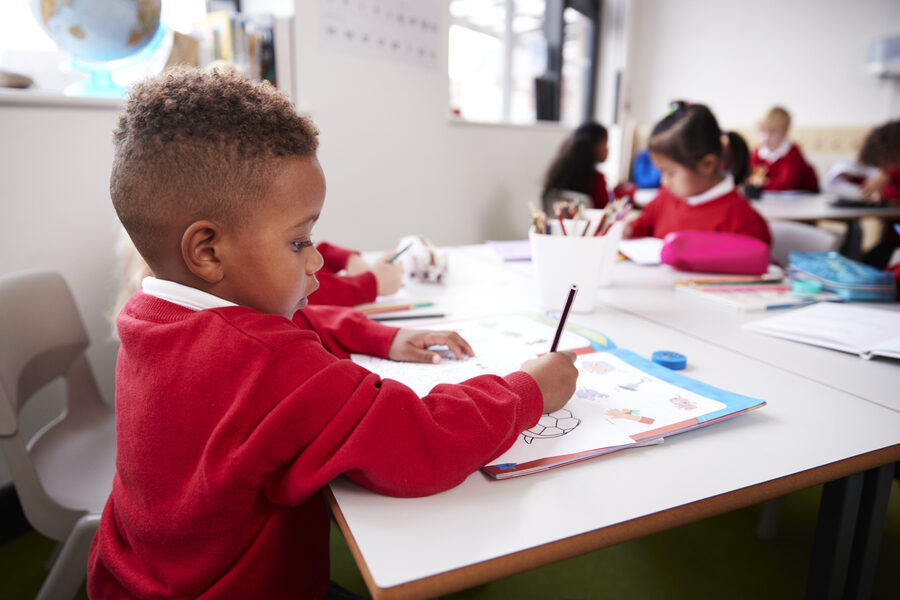
A Different Approach To Learning
Brain Development And Learning
Brain development and learning are inseparable. The brain develops through movement, sensory experiences and interaction with the environment during the earliest years of life. The first year after birth is particularly important, with significant neurological development continuing throughout the first five years. During this period, primitive reflexes and postural reflexes help create the neural pathways that support:- Learning
- Attention
- Memory
- Language
- Emotional regulation
- Physical coordination
- Social development
- Problem solving
Child Sensory Development And Learning Success
Child sensory development is one of the most important factors influencing a child's ability to learn. Children rely on their sensory systems to gather, process and respond to information from the world around them. These systems include:- Visual Processing The ability to track, focus and interpret visual information efficiently.
- Auditory Processing The ability to listen, understand, remember and process language and sounds.
- Motor Development The development of movement skills, coordination, balance and physical control.
- Tactile Processing The ability to process touch, texture and sensory feedback from the environment.
- Vestibular Development The system responsible for balance, posture and spatial awareness.
- Proprioceptive Development The body's awareness of position, movement and coordination. When sensory systems are working efficiently together, children are often better prepared for learning, communication and everyday activities.
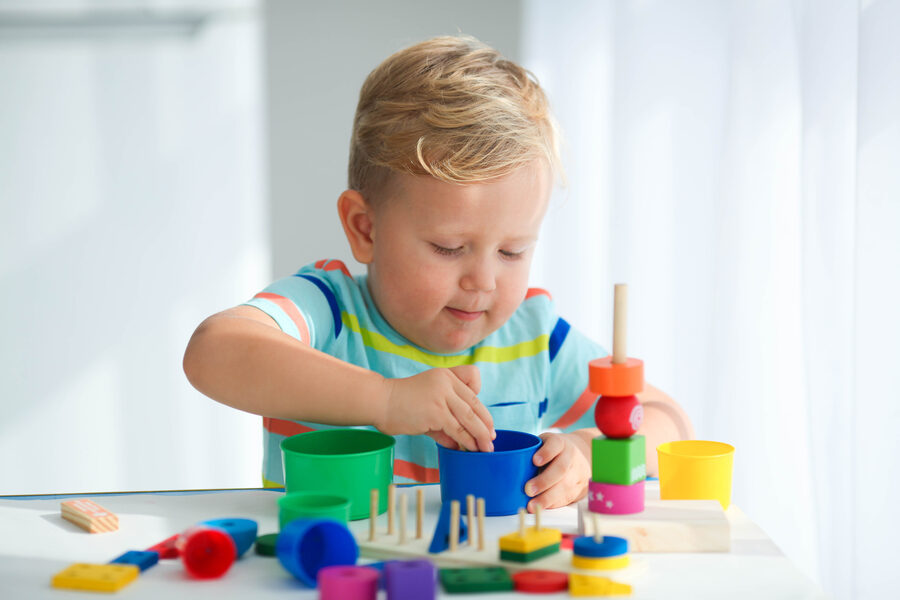
The Importance Of Primitive Reflexes
Primitive reflexes are automatic movement patterns present during infancy. They play a vital role in helping babies survive, develop movement skills and build the neurological foundations required for future learning. As development progresses, these reflexes should naturally integrate and make way for more mature movement patterns.When primitive reflexes remain active beyond the early years, they may affect:- Learning readiness
- Concentration
- Coordination
- Behaviour
- Emotional regulation
- Sensory processing
- Reading and writing development
Signs Your Child May Benefit From Developmental Support
Every child develops at their own pace, but some common signs may indicate underlying developmental factors that deserve further investigation.These can include:- Reading difficulties
- Writing difficulties
- Poor concentration
- Reduced attention span
- Difficulty following instructions
- Coordination challenges
- Balance difficulties
- Emotional outbursts
- Anxiety
- Poor handwriting
- Speech and language delays
- Sensory sensitivities
- Organisational difficulties
- Memory challenges
- Delayed developmental milestones
- Difficulty sitting still
- Fidgeting
- Reduced confidence
The Importance Of Early Years Development
The early years provide the foundation for every stage of future learning and development. Primitive reflexes begin developing before birth and continue to play an important role throughout infancy and early childhood. The first 12 months after birth are especially important for neurological development, with reflex integration and sensory development continuing throughout the first four to five years. This developmental process helps prepare children for:- School readiness
- Learning
- Emotional resilience
- Social interaction
- Communication
- Coordination
- Independence
Understanding Learned Compensations
Many older children and adults develop strategies to compensate for underlying developmental challenges. These strategies can help them achieve success, but often require significantly more effort, concentration and energy. As educational or workplace demands increase, these compensations can become harder to maintain. By identifying and addressing underlying developmental factors, learning can become more efficient, natural and less stressful.Frequently Asked Questions
Why do learning challenges occur?
Why are the reflexes so important?
Why is movement important to brain development?
Can the reflexes be helped after the Early Years?
What can be done to help Early Years development?
- Understand the stages of how a baby develops from being totally dependent to becoming independent.
- Understand how and why movement is vital to sensory development in every one of us
- Understand how the different stages of the brain develop during the Early Years
- Why do learning challenges occur? Know the signs and symptoms
- How do the senses develop between in utero and 4 years old?
- What can affect the reflexes from playing their role in Early Years development?
- What is the result of retained reflexes much past 4 years old toward learning and life?
- Understand the importance and value of movement toward brain and sensory development
- Understand what the senses are and how we can help them develop efficiently
- Understand the role of each primitive and postural reflex
- Why play is so important to emotional / social development, memory and motor skills
- Attend the 8 day (4 x 2 days) Rhythmic Movement Training course to learn the simple techniques to integrate all the reflexes in the most natural way possible.
Signs Your Child May Benefit From Developmental Support
Every child develops at their own pace, but some common signs may indicate underlying developmental factors that deserve further investigation.
These can include:- Reading difficulties
- Writing difficulties
- Poor concentration
- Reduced attention span
- Difficulty following instructions
- Coordination challenges
- Balance difficulties
- Emotional outbursts
- Anxiety
- Poor handwriting
- Speech and language delays
- Sensory sensitivities
- Organisational difficulties
- Memory challenges
- Delayed developmental milestones
- Difficulty sitting still
- Fidgeting
- Reduced confidence
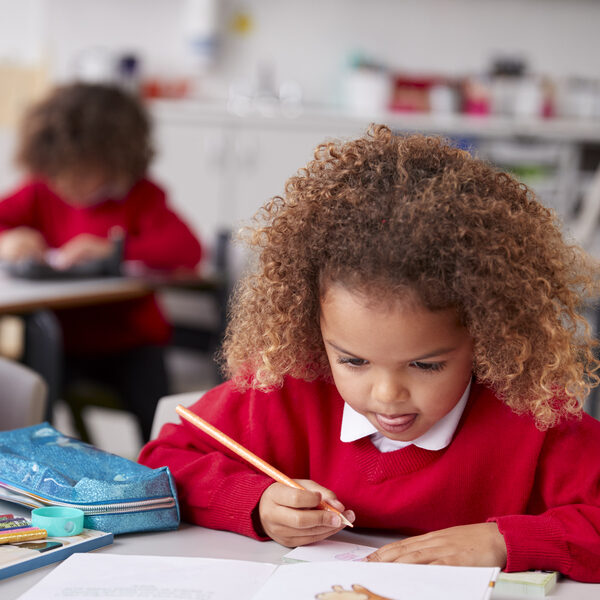
The Importance Of Early Years Development
The early years provide the foundation for every stage of future learning and development. Primitive reflexes begin developing before birth and continue to play an important role throughout infancy and early childhood. The first 12 months after birth are especially important for neurological development, with reflex integration and sensory development continuing throughout the first four to five years. This developmental process helps prepare children for:- School readiness
- Learning
- Emotional resilience
- Social interaction
- Communication
- Coordination
- Independence
Understanding Learned Compensations
Many older children and adults develop strategies to compensate for underlying developmental challenges. These strategies can help them achieve success, but often require significantly more effort, concentration and energy. As educational or workplace demands increase, these compensations can become harder to maintain. By identifying and addressing underlying developmental factors, learning can become more efficient, natural and less stressful.Why are the senses so important?
Visual sense
Auditory sense
Motor sense
Tactile sense
Vestibular sense
Proprioception sense

The Role Of The Corpus Callosum
The Corpus Callosum is a large bundle of nerve fibres that connects the left and right hemispheres of the brain. Its role is to allow information to pass efficiently between both sides of the brain. This communication is important for:- Reading
- Writing
- Language processing
- Coordination
- Balance
- Sensory processing
- Memory
- Learning

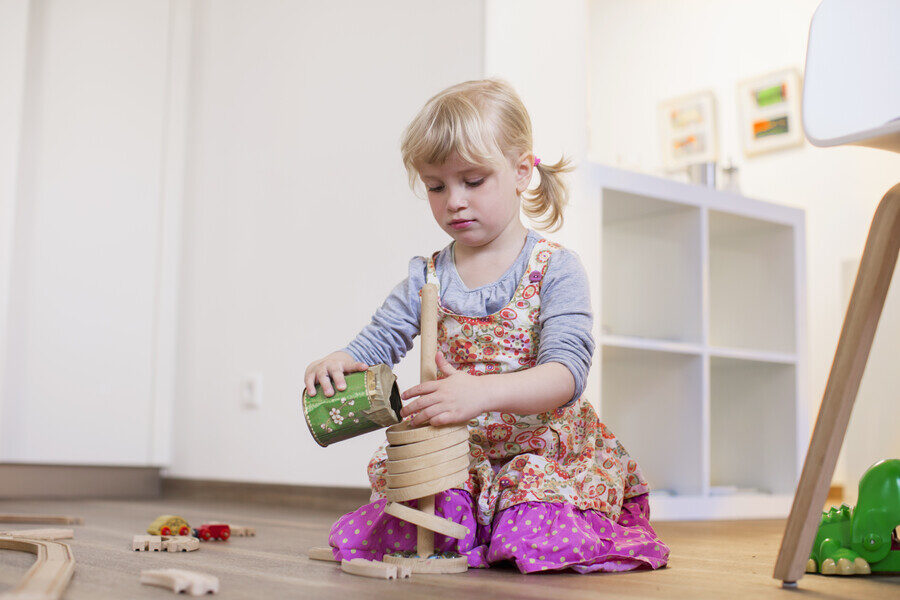
How Movement Supports Learning Development
Movement is one of the most powerful tools available for supporting neurological growth. Every movement provides sensory input that helps strengthen communication pathways throughout the brain. Movement-based activities can support:- Learning readiness
- Focus and attention
- Sensory processing
- Coordination
- Confidence
- Emotional regulation
- Motor development
- Brain development and learning
Professional Training And Educational Support
I provide training, presentations and specialist educational support for:- Schools
- Teachers
- Learning Support Educators
- Educational Psychologists
- Occupational Therapists
- Speech And Language Therapists
- Child Development Professionals
- Childcare Providers
- Parents
- Early Years Practitioners

Areas Commonly Affected By Retained Reflexes
Physical Development
Emotional Development
Social Development
Behavioural Development
Cognitive Development
Mental Wellbeing

Why Choose Child Development Malta?
- Specialist child development services in Malta
- More than 20 years of experience
- Focus on movement and learning development
- Practical support for parents, schools and professionals
- Educational workshops and training programmes
- Expertise in primitive reflexes and sensory development
- Child-centred approach to learning support